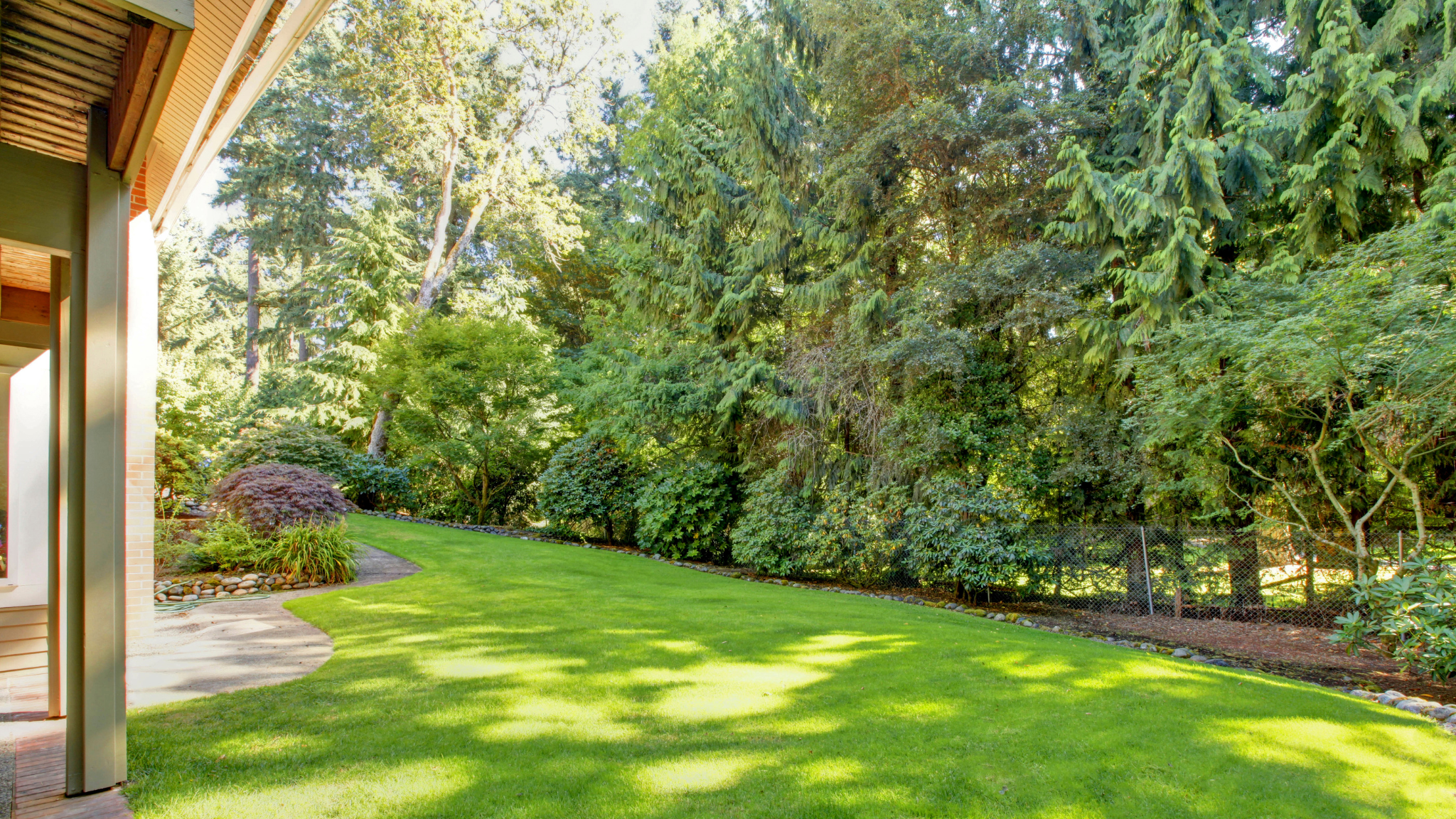
Ever wondered why one part of your backyard gets beautiful afternoon sunshine while another seems to stay in the shade? Or whether that sunny patio you're considering will actually get much sun when you want to use it?
It's something we don't always think about until we're living in a home, but the way sunlight moves across a property can have a surprisingly big impact on how we enjoy it.
I recently came across a website called ShadeMap, and it's one of those tools that's both fascinating to play around with and genuinely useful, whether you're buying a home, planning improvements, or simply curious about your own property.
See Where the Sun (and Shadows) Will Fall
ShadeMap is an interactive mapping tool that lets you explore how sunlight and shadows move across virtually any property throughout the day.
You can search for an address, choose a date and time, and watch how the sun's position changes the shadows cast by nearby buildings, trees, and surrounding terrain. You can even move forward through the seasons to see how those patterns change between summer and winter.
And if you've ever lived in the Tri-Cities, you'll know how much difference that can make. With our hills, mature trees, and increasingly dense neighbourhoods, two homes on the same street can have very different experiences when it comes to natural light.
A south-facing backyard might sound ideal, but what happens when there's a tall row of cedars along the property line? That lovely west-facing deck might get excellent evening sunshine in July but be shaded by a neighbouring building much earlier in the year.
ShadeMap gives you a way to explore those questions before you find out the hard way.
Why This Matters When Buying a Home
When I'm showing homes, natural light is something buyers often notice immediately. A bright kitchen, sunny living room, or backyard that feels warm and inviting can make a property particularly appealing.
But there's one important thing to remember: a showing gives you a snapshot of a home at one particular time of day and year.
A house that feels bright during a midday showing in June might be considerably darker during a December afternoon. Or a backyard that appears shaded during a morning viewing might actually be a wonderful place to enjoy the late afternoon sun.
That's where a tool like ShadeMap can offer some additional perspective. It allows you to look beyond the conditions on the day of your showing and get a better idea of how the property might feel at other times.
Of course, it's a simulation rather than a guarantee. Trees, building heights, and other details aren't always represented perfectly, so it's still worth visiting a property at different times when sunlight is especially important to you.
It's Just as Useful If You Already Own Your Home
You certainly don't need to be house hunting to find this interesting.
Perhaps you're thinking about building a new deck or patio and wondering where you'll get the most afternoon sunshine. Maybe you'd like to create a vegetable garden but aren't sure which part of your yard receives enough direct sunlight. Or perhaps you're planning an outdoor entertaining area and would actually prefer some natural shade during the hottest part of the summer.
You can use ShadeMap to compare different locations around your property and see how sunlight changes over the course of a day.
It can also be useful when considering a renovation, planning landscaping, or simply understanding why certain rooms in your home feel brighter at particular times of the year.
And if there's a new building proposed nearby, it can provide an initial way to explore how a structure of a particular height might change the surrounding shadows.
Give It a Try
The best part is that you don't need to be particularly tech-savvy to use it.
Head over to ShadeMap, search for your home or another property you're curious about, and start adjusting the date and time.
I'd recommend comparing a few different times of day, then switching between June and December. The difference can be pretty remarkable, especially here in Metro Vancouver.
For absolutely no particular reason, I decided to use Leigh Elementary in Coquitlam as my original example. You can explore that location here or search for your own address.
It's a fun tool to experiment with, but more importantly, it can help you make better-informed decisions about a home or property.
And really, that's what I love about tools like this. Whether you're buying, selling, renovating, or simply making the most of the home you already have, a little extra information can go a long way.
Have a question about a property you're considering? I'm always happy to help you look beyond the listing photos and think through the details that can make a house the right home for you.

 The data relating to real estate on this website comes in part from the MLS® Reciprocity program of either the Greater Vancouver REALTORS® (GVR), the Fraser Valley Real Estate Board (FVREB) or the Chilliwack and District Real Estate Board (CADREB). Real estate listings held by participating real estate firms are marked with the MLS® logo and detailed information about the listing includes the name of the listing agent. This representation is based in whole or part on data generated by either the GVR, the FVREB or the CADREB which assumes no responsibility for its accuracy. The materials contained on this page may not be reproduced without the express written consent of either the GVR, the FVREB or the CADREB.